
Disclosure: As an Amazon Associate, I earn from qualifying purchases. Some links on this page are affiliate links, which cost you nothing extra. This guide is general information, not medical advice.
Important first: do not stop or change any medicine because of this list. Some of these medicines treat serious or life-threatening conditions, and stopping them suddenly can be dangerous. Speak to your prescriber or pharmacist first.
“Ototoxic” simply means a medicine can damage the inner ear. That can cause tinnitus, hearing loss, or balance problems. The American Speech-Language-Hearing Association (ASHA) says more than 200 medications and chemicals are known to cause hearing and balance problems.
That number sounds scary.
It shouldn’t be. Harvard Health quotes an ear specialist saying it’s very uncommon overall, and most people who take these medicines never have a hearing problem.
I’m a pharmacist who lives with tinnitus, so I wanted one place where the facts are laid out honestly. One of most common questions I often get asked, “Is there a get that can cure tinnitus” My answer , at the moment, nothing.
The second most common question I get asked is, “Which meds aggravate my tinnitus?”
This list is grouped by how strong the evidence is, so you can see what’s well established and what’s still uncertain.
- Being on a medicine listed here does not mean it’s causing your tinnitus. Risk depends on the dose, how long it’s used, your kidneys, and what else you take.
- Don’t stop anything on your own. If a change is needed, your prescriber will plan it.
- This list isn’t complete. Check your own medicine’s leaflet, and ask your pharmacist.
At a Glance
Group | Examples | What can happen | Usually reversible? |
|---|---|---|---|
Well established |
|
|
|
Aminoglycoside antibiotics | Streptomycin, neomycin, kanamycin, amikacin, gentamicin, tobramycin | Hearing loss and/or balance problems | Often not |
Platinum chemotherapy | Cisplatin, carboplatin | Tinnitus and hearing loss in both ears | Usually permanent |
Loop diuretics | Furosemide, ethacrynic acid | Hearing loss and tinnitus | Often temporary; permanent cases reported with IV use |
Salicylates | High-dose aspirin | Tinnitus and hearing loss | Typically yes |
Quinine | Quinine and similar | Hearing loss | Temporary |
Vancomycin | Vancomycin | Hearing loss, more likely with kidney problems | Not stated |
Macrolide antibiotics | Azithromycin, clarithromycin | Hearing loss (rare, mainly long courses at high doses) | Reversible or not |
Reported, evidence weaker |
|
|
|
NSAIDs and acetaminophen | Ibuprofen, naproxen | Hearing loss and tinnitus linked in studies | High doses: temporary |
PDE5 inhibitors | Sildenafil, tadalafil, vardenafil | Rare sudden hearing loss reports | Varies |
Newer biologics | Various | Emerging reports | Unknown |
Unclear or mixed |
|
|
|
Antidepressants, some beta blockers, PPIs | Various | Mixed evidence | Unknown |
Well Established
Aminoglycoside antibiotics
These are strong antibiotics, mostly used in hospitals.
The MSD Manual says streptomycin and gentamicin mainly affect balance, while neomycin, kanamycin, amikacin and tobramycin mainly affect hearing. Some of these can cause profound, permanent hearing loss. Some people carry gene variants that raise the risk, which is why clinicians may avoid these drugs in those patients.

Platinum chemotherapy (cisplatin, carboplatin)
The MSD Manual says platinum chemotherapy can cause tinnitus and progressive, permanent hearing loss in both ears. It can begin right after the first dose, or months after treatment ends. If you’re having chemotherapy, ask your team about hearing checks, and never stop treatment on your own.
Loop diuretics (“water tablets”)
Loop diuretics such as furosemide are used for heart failure and kidney disease. ASHA lists them among medicines that cause temporary damage. The MSD Manual notes profound, permanent hearing loss reported with intravenous (IV) furosemide and ethacrynic acid, in patients with kidney failure who were also receiving aminoglycosides.
Salicylates (aspirin at high doses)
High-dose aspirin typically causes hearing loss and tinnitus that is reversible, according to the MSD Manual. Harvard Health also lists aspirin and other salicylates in high doses. I’m writing a separate piece on aspirin.
Quinine
Quinine and similar medicines can cause temporary hearing loss, according to the MSD Manual. ASHA also lists quinine among the drugs that cause temporary damage.
Vancomycin
The MSD Manual says vancomycin can cause hearing loss, especially in people with reduced kidney function.
Macrolide antibiotics (azithromycin, clarithromycin)
Harvard Health lists macrolides such as azithromycin and clarithromycin as more likely to cause ototoxicity when given for a long time, especially at high doses. The MSD Manual describes azithromycin hearing loss as rare, and either reversible or irreversible.
Reported, but Evidence Is Weaker
NSAIDs and acetaminophen
A review of the older literature found that salicylates and most NSAIDs in high doses cause mild to moderate temporary hearing loss, accompanied by tinnitus. Large cohort studies add a different kind of evidence. In the Nurses’ Health Study II, ibuprofen or acetaminophen use two or more days a week was associated with an increased risk of hearing loss in women, but aspirin was not. A study of men found a similar association with regular aspirin, NSAID or acetaminophen use.
These studies show an association, not proof that the medicines caused the hearing loss. I’ll cover this fully in a separate article.
PDE5 inhibitors (sildenafil, tadalafil, vardenafil)
In 2007, the FDA approved label changes for this class.
It had found 29 postmarketing reports of sudden hearing loss in a strong temporal relationship to dosing (FDA Q&A, archived). The FDA said no causal relationship has been demonstrated, and that sudden hearing loss is uncommon.
The NIDCD reported the FDA’s advice that anyone who has sudden hearing loss on these drugs should stop taking them and seek medical attention. A 2025 systematic review of the case reports found all the patients had sensorineural hearing loss, ranging from moderate to profound.
Newer biologics
Harvard Health quotes an ear specialist who says many newer biologic agents are showing ototoxicity as a side effect, and that cases are likely to grow as these drugs are prescribed more widely. If you’re on one, ask your prescriber what hearing monitoring they recommend.
Unclear or Mixed Evidence
Several other medicines come up in lists on the internet. The evidence for these is mixed, and many lists don’t separate case reports from solid data.
- Antidepressants: some evidence, but not conclusive. I explain this in tinnitus and antidepressants.
- Some beta blockers: consumer pharmacy sites say tinnitus is rare, with reports for some and conflicting information for others.
- Proton pump inhibitors (PPIs): consumer pharmacy sites say some research shows a link and other studies haven’t.
I haven’t listed anything here as a cause, because I couldn’t verify it from a strong source. Treat these as questions for your pharmacist, not conclusions.
Over-the-Counter Medicines to Check
“Over the counter” doesn’t mean “harmless for hearing”. A few OTC products are worth a look. The most useful habit is to read the Active ingredients panel, not just the brand name, because the same ingredient can appear in several products.
Aspirin, including in combination products. The label on one OTC aspirin product tells you to stop use and ask a doctor if ringing in the ears or a loss of hearing occurs.
Harvard Health explains that tinnitus and hearing loss are among the toxic effects of very high aspirin levels in the blood, and says that isn’t a risk at the low “baby aspirin” dose. If you take aspirin daily for your heart or after a stroke, speak to your doctor before changing anything.
Bismuth subsalicylate (Pepto-Bismol type products). StatPearls explains that in the stomach this ingredient breaks down into bismuth and salicylic acid, and the salicylate is almost completely absorbed into the bloodstream.
The same source lists hearing loss or tinnitus among adverse effects of unknown frequency. GoodRx says tinnitus is less common and typically happens with large amounts or long use. Because both aspirin and this ingredient are salicylates, it’s worth checking that you aren’t doubling up. That last point is general pharmacy practice, not from a cited study.
Other pain-reliever salicylates. The FDA’s OTC monograph for pain relievers lists magnesium salicylate, sodium salicylate and choline salicylate as ingredients. Look for the word “salicylate” in the ingredients.
Ibuprofen, naproxen and acetaminophen. See the section above. The studies link regular use with hearing loss, but they show an association, not proof.
Cold, allergy, decongestant and sleep products. I didn’t find strong evidence linking these to tinnitus, so I haven’t listed them. That doesn’t prove they’re safe, and cold products often contain several active drugs, including pain relievers. A University of Cincinnati pharmacist notes that cold medicines often combine several active drugs, so check the label.
Supplements aren’t covered here. I couldn’t find reliable lists, and I won’t repeat the unverified ones.
What Raises the Risk?
The MSD Manual lists dose, duration of treatment, kidney failure, infusion rate, lifetime dose, taking other ototoxic medicines at the same time, and genetic susceptibility
. ASHA adds that exposure to loud noise while taking certain drugs can increase their damaging effects.
I have to stress this: please, please protect your ears from loud noise, especially at concerts. I paid a heavy price for being negligent, and I don’t want you to do the same.

Ear Drops and a Perforated Eardrum
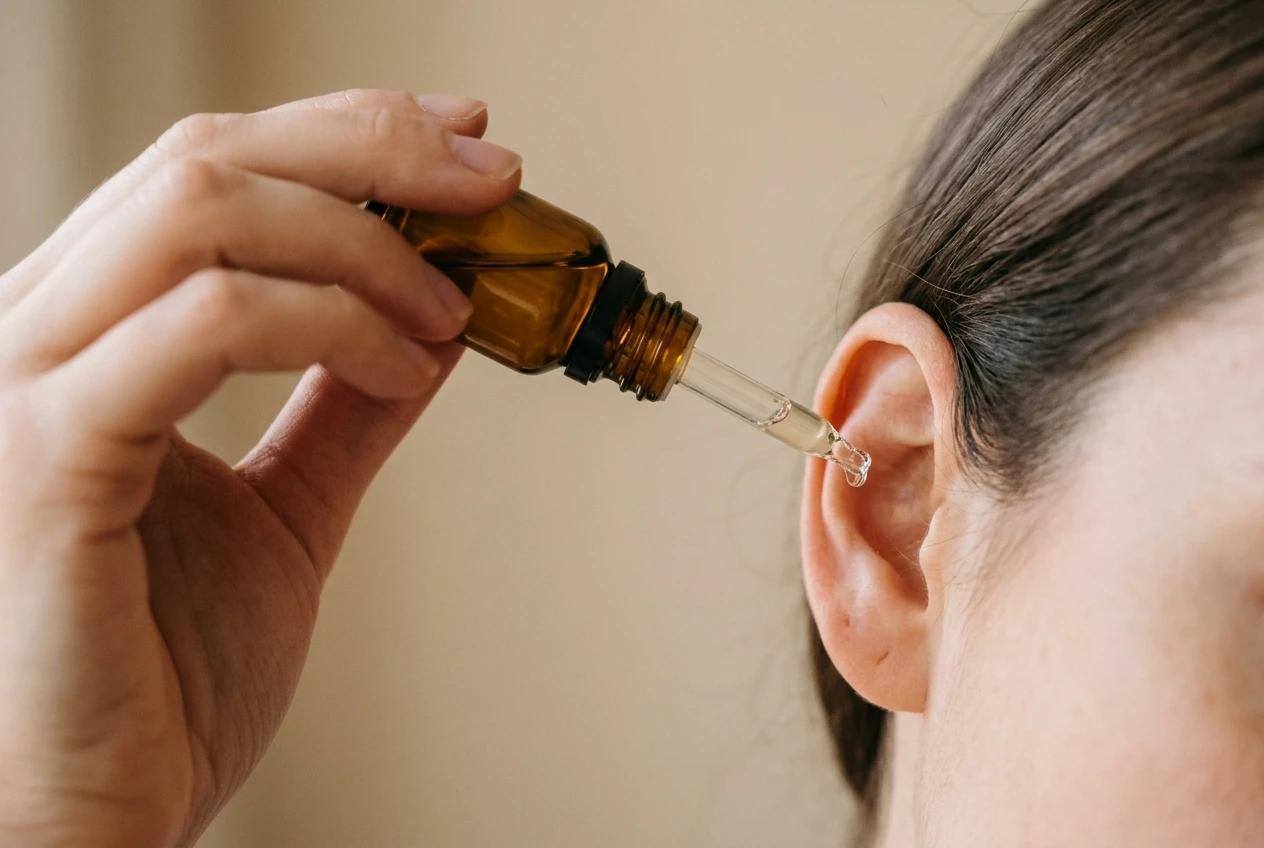
The MSD Manual says ototoxic medicines should not be used as ear drops if the eardrum has a hole in it, because the medicine can pass into the inner ear. If you have a perforated eardrum, tell your doctor or pharmacist before using any ear drops.
If You Take One of These Medicines

- Ask about a baseline hearing test. The MSD Manual says hearing should be assessed before and during treatment with ototoxic drugs, because symptoms are not reliable warning signs.
- Report new ringing or hearing changes early. Don’t wait.
- Ask whether there’s a lower-risk alternative, especially if you’re older or already have hearing loss. That’s a decision for your prescriber.
- Know there’s no approved protection. ASHA says there’s no approved protective strategy at this time, so monitoring matters.
My article Tinnitus After Starting a New Medicine? A Step-by-Step Checklist walks you through what to do if you think a medicine is behind your ringing.
Get Help Fast If You Have
- Sudden hearing loss in one or both ears. Get urgent medical care.
- Dizziness, loss of balance, ear pain, fluid or discharge
- Ringing in one ear only
- Tinnitus that pulses with your heartbeat
My Honest Take
Most people who take these medicines never have a problem, and many of them are life-saving. The goal isn’t to be afraid of your medicine. It’s to know the risk, get your hearing checked, and speak up early. [Prompt D: one closing sentence in your own words.]
Want to prepare for the conversation with your doctor or pharmacist? My free Medicine Check has a timeline, a log and a script.
Frequently Asked Questions
What is the most common ototoxic drug? It depends how you count. Aspirin and NSAIDs are the most widely used, but their effects are usually mild and temporary at high doses. Aminoglycoside antibiotics and platinum chemotherapy are the best known for serious, permanent effects.
Is ototoxicity reversible? Sometimes. According to the MSD Manual, high-dose aspirin effects are typically reversible and quinine effects are temporary, while platinum chemotherapy hearing loss is permanent. It varies by medicine.
Can over-the-counter medicines cause tinnitus? Some can, mainly at high doses or with regular long-term use. Aspirin and NSAIDs are the main examples. Ask your pharmacist about your own use.
Should I stop a medicine that is on this list? No, not on your own. Talk to your prescriber or pharmacist. The one exception is a specific warning on a label or from a clinician, such as sudden hearing loss on a PDE5 inhibitor, where the advice is to seek medical attention.
How can I protect my hearing while on an ototoxic medicine? Ask about a baseline hearing test and monitoring, report any changes early, and protect your ears from loud noise.
This article is general information and not a substitute for medical advice. Please speak to your doctor or pharmacist about your own medicines.