
Disclosure: As an Amazon Associate I earn from qualifying purchases. Some links on this page are affiliate links, which cost you nothing extra. This guide is general information, not medical advice.
If you have tinnitus, the idea of putting something in your ears can be frightening. What if it makes the ringing louder?
I wear hearing aids every day, and I live with tinnitus, so I’ve been on both sides of this question. Short version: for most people, hearing aids don’t make tinnitus worse, and they can make it less noticeable. But some people do notice an increase, usually for a reason that can be fixed. Here’s my own experience, and the reasons I’d look at if it happens to you.
The Short Answer
- For many people with hearing loss, hearing aids make tinnitus less noticeable.
- Some people notice it seems louder at first. Common causes are the adjustment period, settings that are too loud, or a poor fit.
- These are usually fixable by your audiologist. They’re not a reason to put up with it, or to give up.
What It’s Been Like for Me
My tinnitus changes on its own.
Some days it’s quiet in the background, and sometimes it gets really loud, whether I’m wearing my Phonak or not. I don’t think my hearing aids change how loud the tinnitus actually is.
What they do change is how much I notice it. When I’m wearing them during the day, the ringing is less pronounced, because I’m hearing the world around me. When I take them off and I’m somewhere silent, it stands out much more.
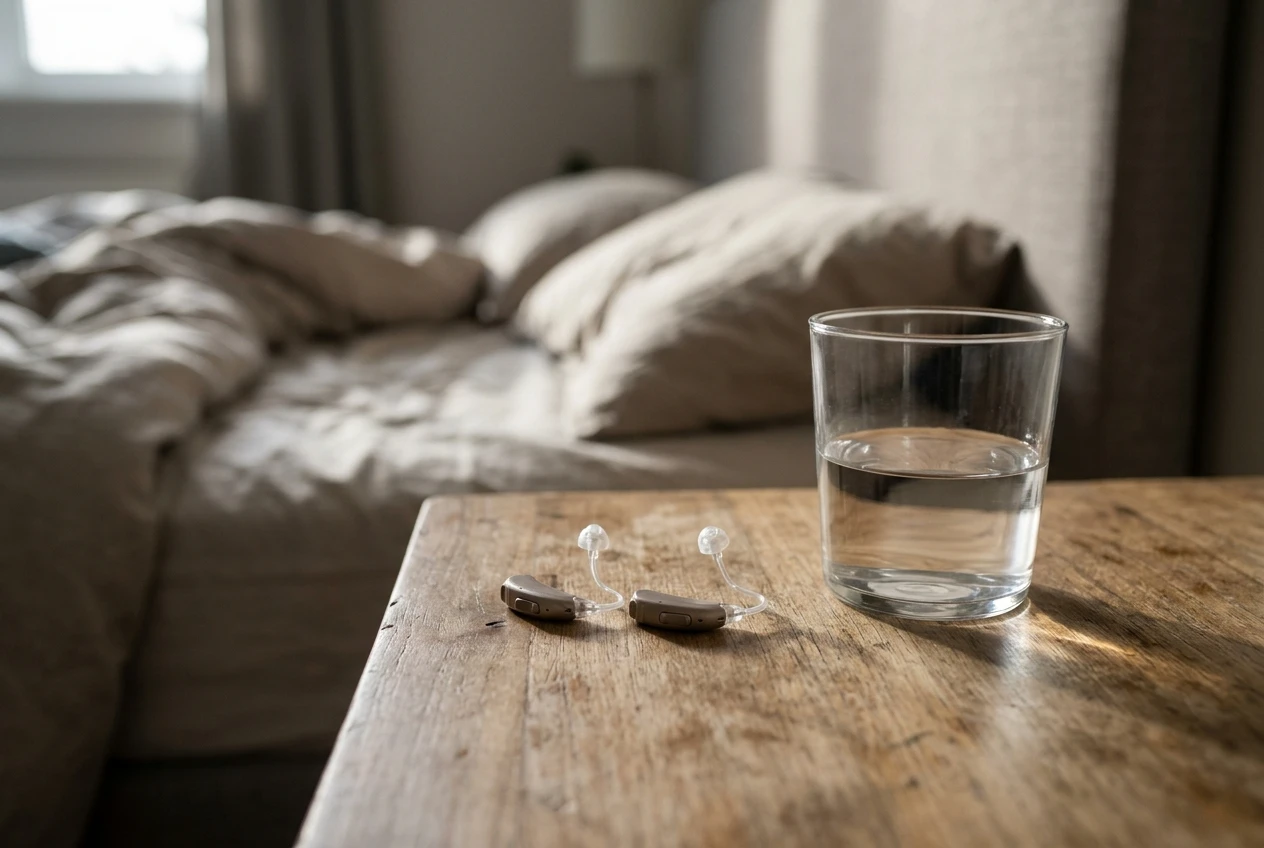
Getting used to them was a big adjustment.
I suddenly heard far more background noise than I was used to.
Lip reading is a skill I had to pick up early on, and I still use it. My audiologist changed my settings several times before we got it right.
Why Tinnitus Can Seem Louder With Hearing Aids
1. Your brain is adjusting. When you start wearing hearing aids, you hear sounds you haven’t heard for a while. That can feel like too much at first. One health information site says adjustment can take anywhere from several weeks to a few months (Science Insights).
2. The settings may be too loud or too sharp. A hearing aid that’s set too aggressively can make sounds uncomfortably loud, which can aggravate tinnitus. One hearing aid maker’s guide lists poor fitting or programming as the most common cause (Elehear; a seller, so read it with that in mind).
3. The fit may be wrong. A blocked or tight fit can cause the “head in a barrel” feeling known as the occlusion effect, where your own voice or chewing sounds boomy. An NHS leaflet explains this, and notes that open-fit aids avoid it (NHS Salisbury leaflet).
4. Sounds may be bothering you more than they used to. Some people have reduced sound tolerance before they get hearing aids, and amplification can make that more obvious (CBS News).
Why It Seems Worse When They’re Off
This is the one I know best.
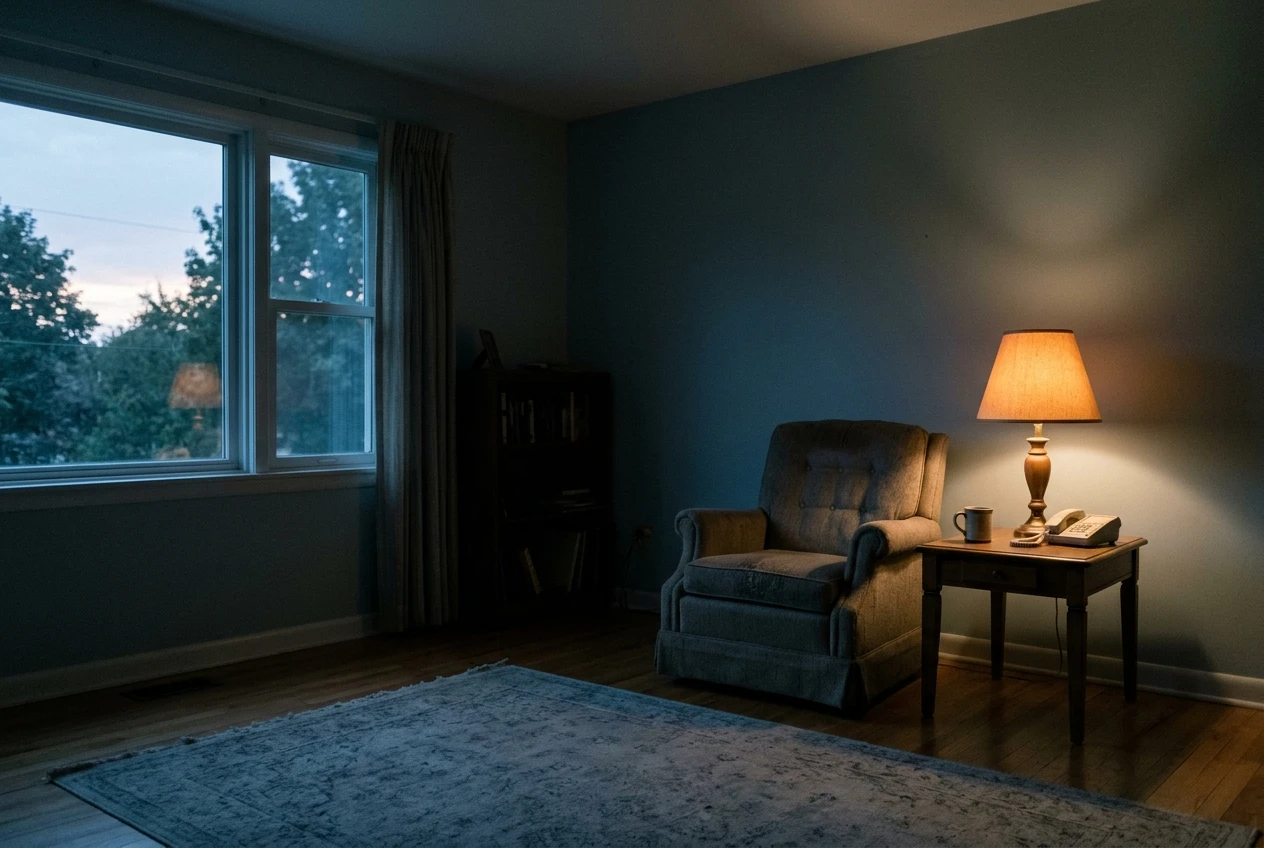
When outside sound drops away, the ringing stands out more against the quiet. Hearing aids work the other way.
By amplifying what’s around you, they reduce that contrast, which is also why many people find them helpful. So if your tinnitus feels louder in a silent room after you take them out, it’s usually the contrast, not damage from the hearing aids.
Don’t Blame the Hearing Aids by Coincidence
Tinnitus fluctuates.
Mine does, and it can get loud with no obvious reason. So if you start wearing hearing aids and have a loud week, it’s easy to blame them, when it may be a normal fluctuation, stress, or poor sleep.

The best way to tell is to keep a simple log.
Note the loudness from 0 to 10, hours of sleep, and when you wore your hearing aids. After a couple of weeks you’ll see whether there’s a pattern. My free Medicine Check includes a ready-made log you can use. Get the Free Checklist Here!
What To Do If Your Tinnitus Seems Worse

- Don’t just put up with it. Tell your audiologist or the company, and ask for the settings to be reviewed. Mine took several adjustments before it felt right.
- Ask about volume and fit. Is the sound too loud or too sharp? Is the fit comfortable and not blocking the ear?
- Ask whether a masking or sound program could help. I explain how that works in How Tinnitus Masking in Hearing Aids Works.
- Give it a fair trial. This is another reason a long trial period matters. See my 7 Questions to Ask Before Buying a Hearing Aid.
- Check your medicines. Some can affect hearing or tinnitus, so ask your pharmacist. Never stop a medicine without speaking to your prescriber first.
See a Doctor If You Have
- A sudden change in hearing or sudden-onset tinnitus
- Ringing or hearing loss in one ear only
- Dizziness, ear pain, fluid or discharge
- Tinnitus that pulses with your heartbeat
These need a medical check, not just a settings change.
My Honest Take
My hearing aids don’t cure my tinnitus, and I don’t think they change how loud it really is. What they do is help me follow a conversation and keep the ringing in the background. It took several visits to get the settings right, and I’m glad I didn’t give up.
Look I know that right now you might be afraid. Maybe you think things will get worse. I hought so too. But I don’t regret taking that step; it gave me hope and confidence, and I know that it can do that for you too.
Frequently Asked Questions
Can hearing aids make tinnitus worse? For most people, they don’t, and they can make it less noticeable. Some notice a temporary increase, often because of the adjustment period, settings that are too loud, or the fit. These can usually be fixed.
How long is the adjustment period? It varies. Some sources say several weeks, and others say a few months. Ask your audiologist for a schedule of follow-up visits.
Should I stop wearing my hearing aids if my tinnitus gets louder? Don’t just stop, and don’t just put up with it. Talk to your audiologist about the settings and fit. If the change is sudden, one-sided, or comes with dizziness, see a doctor.
Why is my tinnitus louder when I take my hearing aids out? In quiet places, the ringing stands out more because there’s less outside sound to compete with it. It doesn’t mean the hearing aids damaged anything.
This article is general information and not a substitute for medical advice. Please speak to your doctor or audiologist about your own situation.