
Why I am asking this question as someone who lives with the ringing
I live with tinnitus, and I am a pharmacist, so I read hearing aid claims the way I read the label on a medicine: what does it actually do, and who is it for?
Most articles on digital vs analog hearing aids answer in one line: digital is newer, so digital wins.
That answer is mostly right, but it skips the reasons, and the reasons matter more when your ears ring.
If you are around 45, working, and raising a family, you probably know the routine. You nod through a meeting, you ask someone to repeat themselves for the third time, and you feel the ringing get louder the moment a room goes quiet. You may also have been offered a cheap device described as “classic” or “simple” and wondered whether that is a bargain or a mistake.
This article is a technology explainer. It covers what each type of hearing aid does to sound, how that feels across a full day, and why the difference counts for tinnitus.
It is not a buying guide, because I have a separate one for that, which I link at the end.
What an analog hearing aid actually does to sound
An analog hearing aid works in three stages.
A microphone picks up sound and turns it into a continuous electrical signal. An amplifier makes that signal stronger, and a small speaker in your ear plays it back.
The amplifier does not know what it is amplifying. A colleague’s voice, the air conditioning, a keyboard, a chair scraping, and a passing truck all get the same treatment: they come through louder.
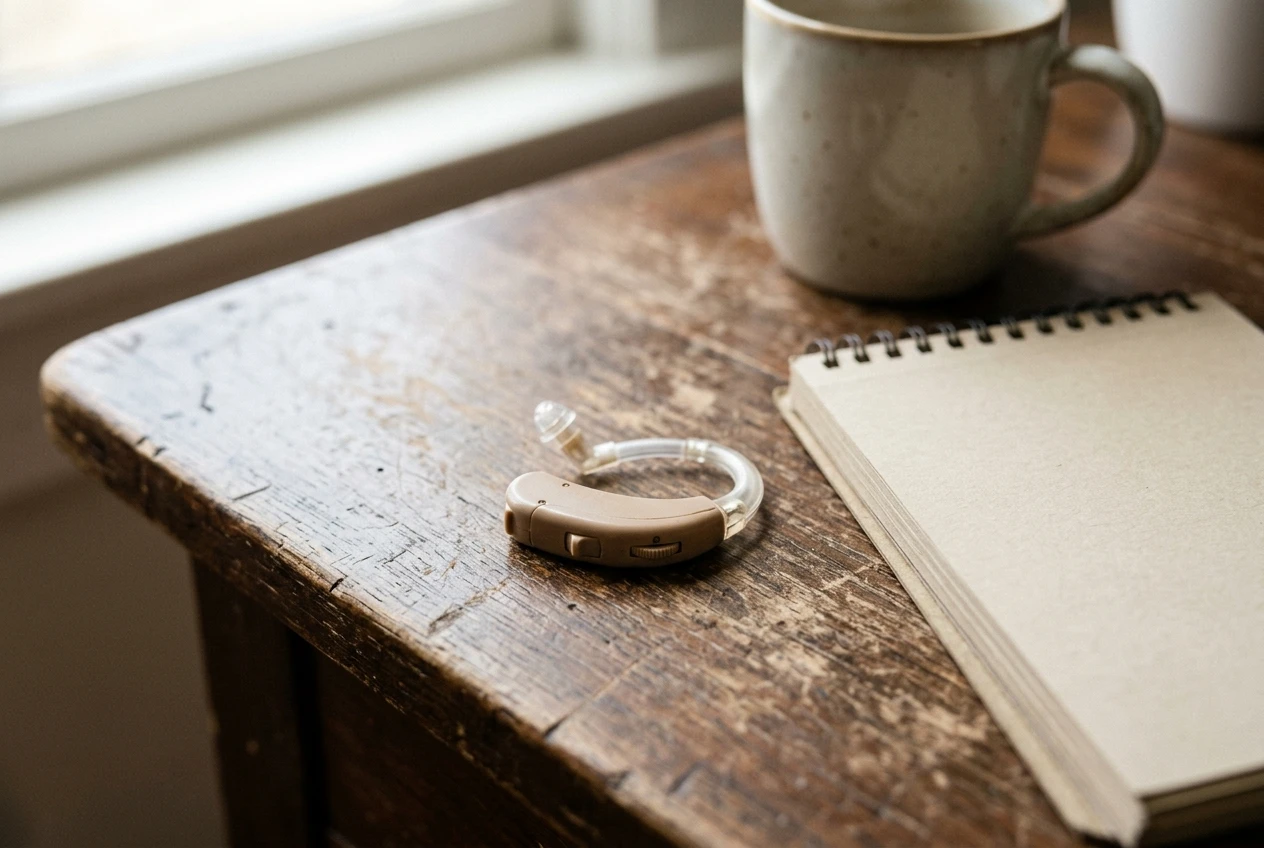
Some analog aids have a basic tone control, so a technician can boost high pitches more than low ones, and you usually get a volume wheel to adjust by hand.
That is useful if the only problem is that everything is too quiet. Most adults with hearing loss and tinnitus have a more specific problem.
High-pitched sounds, which carry a lot of the clarity in speech, tend to fade first, while low rumbling sounds stay audible. Turning everything up evenly makes background noise louder along with the speech you wanted to catch.
What a digital hearing aid does differently, in plain English
A digital hearing aid converts incoming sound into numbers.
A small processor chip then analyses and changes those numbers many times each second before turning them back into sound.
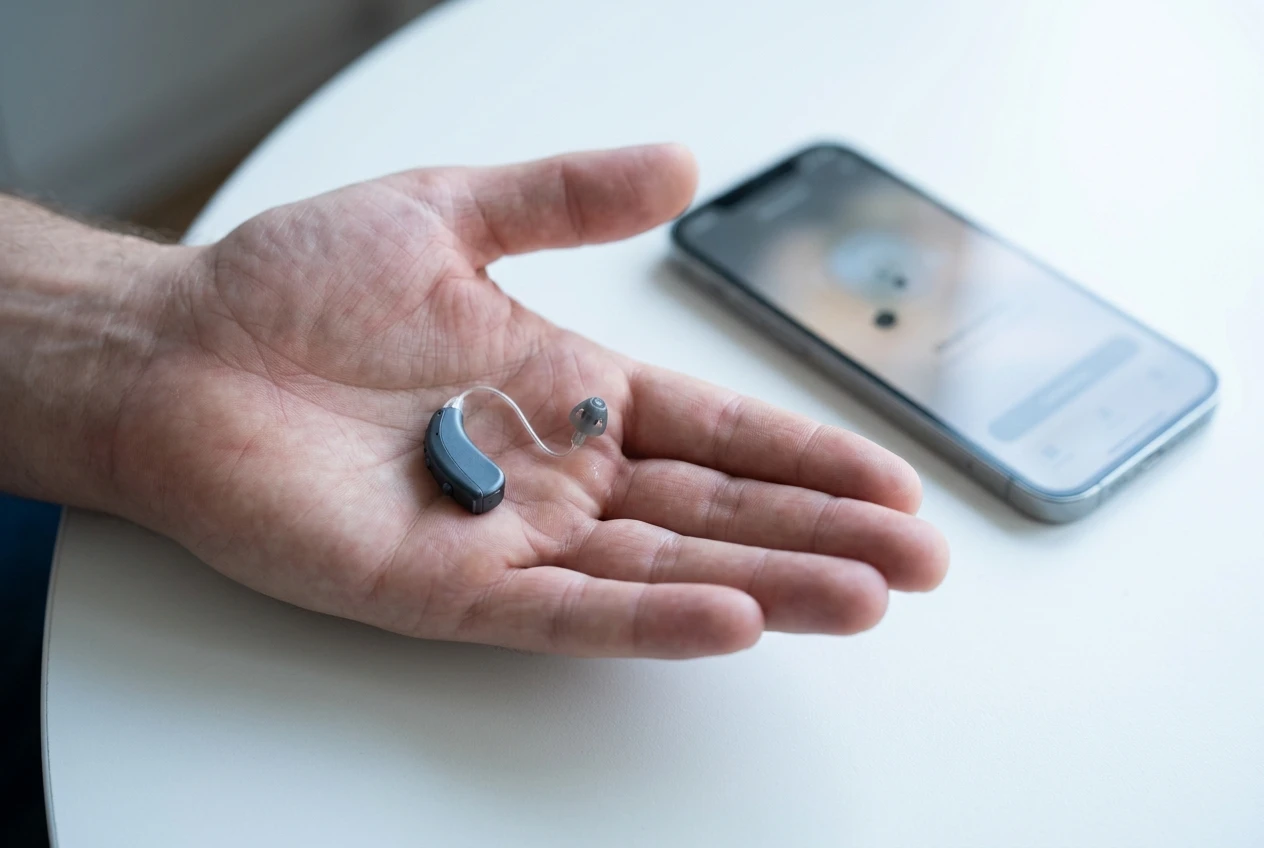
That extra step is where nearly every benefit comes from, because a chip can make decisions and a plain amplifier cannot.
In practice, a digital aid can do things like these:
- Split sound into separate pitch ranges and amplify each one by a different amount, matched to your hearing test.
- Recognise steady background noise, such as a fan or road hum, and turn it down.
- Use two microphones to favour sound coming from in front of you over sound from behind.
- Detect the start of a whistle (feedback) and cancel it.
- Switch between programs for quiet rooms, noisy rooms or phone calls.
- Connect to your phone through Bluetooth, in many models, so calls and video meetings play straight into your ears.
An audiologist can also reprogram a digital aid as your hearing changes, without replacing the device.
Digital does not make hearing normal again.
It gives the device the means to treat speech and noise differently, and an analog aid has no means of doing that.
Sound quality side by side: background noise, speech in meetings and restaurants
Background noise. An analog aid raises the noise and the voice together.
A digital aid can lower steady noise and point its microphones forward, so the person in front of you stands out a little more.
The improvement is real but limited, and anyone who promises that a hearing aid will remove background noise is overselling.
Speech in meetings. Clear speech depends on the high-pitched parts of consonants like s, t, and f.
A digital aid can boost exactly those ranges without making low-pitched room noise louder.
If your meetings happen over video, streaming the audio from your laptop or phone to your hearing aids, where the model supports it, gives you a cleaner signal than listening through the room.

Restaurants. This is the hardest place for any hearing aid, digital included. Many voices overlap, noise bounces off hard surfaces, and the aid cannot tell which voice you care about.
Digital aids with a restaurant or noisy-room program and directional microphones help noticeably more than an analog aid, but you should still expect it to take effort. Sitting with your back to the wall and facing the person you are talking to helps with either type.
There is also the end of the workday to consider.
A device that sends every sound to your ears at full volume gives your brain more unwanted sound to sort through. Less unwanted loudness generally means less effort, and effort is what leaves you exhausted by evening. People differ, but this is a reasonable thing to expect from a device that filters.
Comfort and fit: feedback whistling, battery life, and wearing them all day
Feedback is the high whistle that happens when amplified sound leaks from the ear and re-enters the microphone.
With tinnitus, an unexpected whistle on top of the ringing is especially unpleasant. Digital feedback cancellation reduces this a great deal, while analog aids rely mostly on a tight seal, which can feel blocked and uncomfortable over a long day.
Fit matters here for another reason. A hearing aid you cannot tolerate for eight hours will sit in a drawer, and an unworn aid does nothing for your ringing or your meetings. Digital aids come in more shapes, including small ones that sit behind the ear with a thin tube, and an audiologist can adjust the sound and the ear tip until it is comfortable.
Batteries are worth asking about directly.
Many digital models are now rechargeable, so you place them in a charging case overnight and do not handle tiny batteries at all. Others still use disposable batteries, and how long they last depends on the model and on features like streaming.
I will not quote a number of days, because it varies too much. Ask for the real figure for the exact model you are offered, with Bluetooth in use.
But whilst we are on the topic let me share my experience of using the Phonak cross Audeo B hearing aid. I go through one battery a week.
Sometimes, if I have bad hearing days, I have to use the “cross” part which goes into my deaf ear. In this case, I would use two batteries a week.
Yep, you guessed it, they are not rechargeable batteries. I usually settle for the Rayovac brand.
Recommended Reading: What Are The Best Hearing Aid Batteries? A Users Guide
Why digital matters more when you have tinnitus: masking sounds and sound therapy
Tinnitus is usually most noticeable when the world is quiet.
If hearing loss has made outside sound faint, the ringing has less competition, and it can feel as if it has grown louder.
Amplifying everyday sounds, such as footsteps, voices, and a running tap, gives your brain other things to listen to, and many people find the ringing recedes into the background. Both analog and digital aids can do this part.
What analog never had is a built-in tinnitus feature. Many digital aids include a sound generator that plays a soft sound alongside normal amplification.
Typical options include:
- Broadband noise, similar to a gentle hiss or static.
- Ocean waves or other nature-like sounds.
- Tones or sound patterns that can be shaped to your tinnitus pitch or your hearing profile.
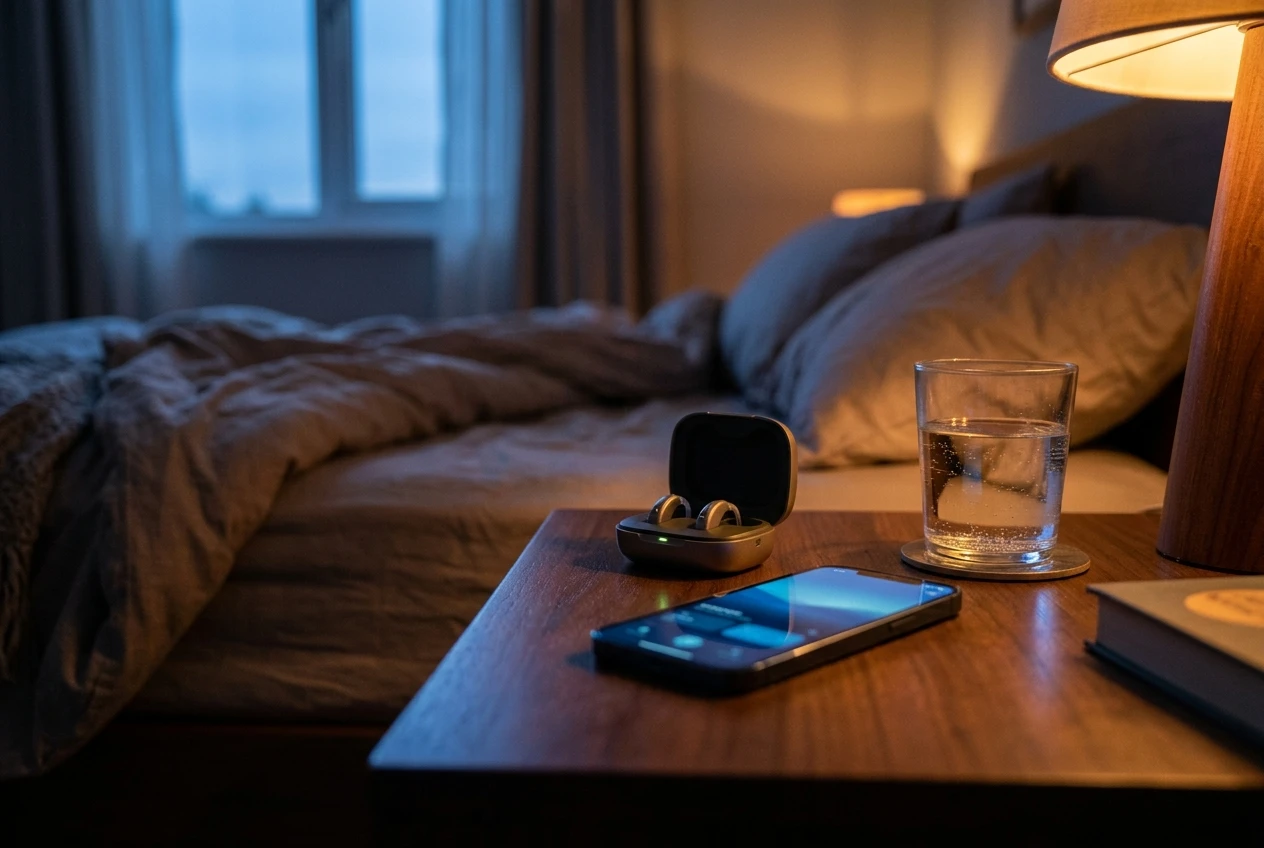
You or your audiologist can adjust the level so the sound sits just under your tinnitus, or just blends with it, rather than competing with speech. Some models let you control it from a phone app, which is handy at night or at a desk.
I will be honest about the evidence. Sound therapy helps some people manage how much tinnitus bothers them, and research on how much it helps is mixed. Hearing aids do not cure tinnitus.
What a digital aid with a masking feature gives you is a tool you can adjust and test, and a way to match the sound to your situation. An analog aid offers nothing comparable.
If the ringing is stressing you as much as it is tiring you, my piece on managing your mental health with tinnitus is worth reading alongside the technology questions.
Is there still any case for analog, and how to spot an old or cheap device sold as new
There is a narrow case.
Some long-term users prefer the simple feel of an analog aid, with a volume wheel and no menus, and analog devices are cheap to make.
If someone has used one for years, is comfortable with the sound, and has no trouble in noisy settings, switching is a choice to discuss with an audiologist and not an emergency. Analog aids have also become uncommon, so repairs and replacements may be harder to find.
For a working adult with tinnitus who struggles in meetings and restaurants, I do not see a good reason to start on analog. The missing features are the ones that address those problems.
Here is how to spot an old or cheap device sold as new:
- No programming. If the only control is a volume wheel and nobody needs your hearing test results to set it up, it is probably analog or a basic amplifier.
- No named features. A modern digital aid will list noise reduction, directional microphones, and feedback management. Vague phrases like “crystal clear sound” are marketing and not specifications.
- No app, no tinnitus program. If tinnitus support is not mentioned at all, assume it is absent.
- “Hearing amplifier” or “sound amplifier” in the name. These are often personal sound amplifiers and not hearing aids. They make everything louder and are not fitted to your hearing loss.
- No fitting and no return period. A device you cannot have adjusted, or send back if it does not suit you, is a risk.
A low price alone does not prove a device is analog, and a high price does not prove it is good. Ask what is inside it.
What to ask your audiologist before you commit
Take this list to your appointment.
It turns jargon into answers you can compare:
- Is this device digital, and does it have its own processor chip?
- Is it programmed to my hearing test, and can you adjust it after I have worn it for a few weeks?
- Does it have a tinnitus sound generator, and can I change the sound and level myself?
- How does it handle background noise, and is there a restaurant or noisy-room program?
- Does it stream calls and meetings from my phone or laptop?
- Is it rechargeable, and how long does a charge really last with streaming on?
- How does it deal with feedback, and what happens if the fit is uncomfortable?
- What is the trial period, and what is the return policy?
Also tell the audiologist about your tinnitus at the start: its pitch, whether it is constant, and when it bothers you most. They can only set up masking if they know what they are masking.
If you want a step-by-step framework for comparing models, my guide on how to choose a hearing aid when you also have tinnitus is the next thing to read.
And if you are already considering a particular hearing aid, leave a comment below with the name of it. I will give you my honest take.
Wish you everything of the best in both your hearing health and your tinnitus management.
Looking forward to connecting with you.
Regards
Roopesh